They Told Me I’d End Up Cleaning the Streets. They Were Right.

When I was eighteen, a teacher I will never forget told me, with real venom, that if I didn’t sort myself out I would end up picking up rubbish or cleaning the streets. She meant it as the worst thing she could think of to say to me. Here is the funny part: she was right. I clean for a living. I run a company that clears up after some of the biggest events in London, and I have never been prouder of anything in my life. What Mrs Mattison got wrong was not the job. It was everything that actually mattered about it – that the kid she had written off as a lost cause would build something of her own, love it, and be quietly brilliant at it. If anyone has ever made you feel like a write-off, like the disappointment in the room, like the one who was never going to amount to much, then put the kettle on, because this one is for you.## The Girl They Gave Up On

Let me tell you about that girl, because I have a great deal more sympathy for her now than her teachers ever did. By the time I was sixteen I had more or less given up on school, and school had enthusiastically given up on me. My GCSE results were, to put it kindly, a disaster. There was no college place waiting, no plan, no path that anyone could point to and say, there, that is where she is headed. I left Colfe’s with a reputation as the bright kid who couldn’t be bothered, which is a particularly lonely thing to be, and I went to work on the tills at a grocery shop in Catford, scanning other people’s shopping and quietly wondering whether my teachers had been right about me all along.

That is the bit I want you to hear most clearly, because if you are somewhere like that right now, it is the loneliest feeling in the world. When the adults around you have decided what you are, you start to believe them. You begin to flinch before report cards. You stop putting your hand up. You learn to expect the disappointed sigh, and after a while you stop bothering to prove anyone wrong, because proving them wrong feels impossible and exhausting and probably pointless anyway.

It Wasn’t That I Was Lazy

Here is what took me years to understand, and what nobody bothered to tell me at the time: I was not lazy, and I was not stupid. I simply was not lit up by a single thing the school happened to be measuring. Ask me to balance a chemical equation and I would switch off inside seconds. Ask me about music, or the environment, or why our local parks were treated like rubbish tips after every event, and you could not shut me up. Being bad at school is not the same as being a failure. It took me far too long to learn that the two are not remotely related, and I would give a great deal to go back and tell that girl on the tills exactly that, slowly, until she believed it.

The Day Something Clicked

I have written before about the night everything shifted, so I will not labour it again, but the short version is this. For my twentieth birthday, some friends took me to a garage festival on Streatham Common. It was the best night of my life, right up until the end, when I watched the so-called cleaning crew make an absolute mockery of the job and leave the park I loved buried under a tide of cans and bottles. Something in me simply could not let it lie. I went back the next morning, rallied a few dozen strangers from a Facebook group, and we cleaned the whole site ourselves.

And there, knee-deep in other people’s litter, an older woman said the words that rewired my entire life. She told me I had done something good, quickly and well, and that I ought to think about doing it for a living. Nobody had ever looked at me and seen capable before. Nobody had ever handed me the idea that one of my so-called pointless obsessions might be worth something. I went home that night with my head spinning, not because anything had actually changed yet, but because for the very first time I could see that it might.

Your “Useless” Thing Might Be the Whole Point

That is the lesson I would tattoo on every struggling teenager if they would let me. The thing you care about that nobody else seems to value – the music, the trainers, the games, the cause, the obsession your parents wish you would grow out of – is not a waste of your time. It might be the single most important clue you have about who you are meant to become. The world is forever trying to talk young people out of the very things that make them tick. Mine was keeping parks clean, of all the unglamorous passions going, and it turned out to be the whole map. Pay attention to what lights you up. It is trying to tell you something.

Nobody Just Hands You a Business

Now, because I refuse to sell you a fairy tale, let me be honest about what came next, because it was not a montage and it was not luck. Having an idea is the easy part. Doing something with it is terrifying. I knew nothing about running a business – nothing about contracts, or pricing, or how on earth you turn “I am good at cleaning up parks” into something that pays the rent. There were months where I was still on the tills by day and reading about council regulations by night, half convinced I was kidding myself.

The leap, when it finally came, was the scariest thing I have ever done. Rather than starting from scratch with no money and no contacts, I pitched my idea to an established cleaning company – walked into a stranger’s office, loaded a presentation onto a borrowed laptop, and made the case that they should partner with me. I was shaking. I was certain I would be laughed out of the building. Instead, the manager heard me out, leaned forward somewhere around the five-minute mark, and told me it was the best pitch he had seen in a long while. That meeting changed everything. But it only happened because I had done the homework, swallowed the fear, and walked through a door I was sure would slam in my face.

The People Who Believed Me First

I did not do any of it alone, and I will not pretend otherwise. My friend Valery, who is everything I am not – organised, academic, the straight-A student to my back-row slouch – sat me down and helped me believe the idea had legs before anyone else did. The older woman in the park lit the spark. The manager who took a chance on a nervous twenty-something gave me my shot. Find those people. Cling to the ones who see something in you, especially before you can see it yourself, and one day, when you have made it through to the other side, be that person for somebody else. Belief is contagious, and most of us only ever need one person to catch it from.

What I’d Say to You

So here we are, at the bit I actually sat down to write. If you are the kid at the back of the class, the one the teachers have quietly filed under “won’t amount to much”, the disappointment at the dinner table, then I need you to hear this from someone who has stood exactly where you are standing. The people writing you off are telling you about themselves, not about you. They are showing you the limits of their own imagination, the narrowness of what they happen to measure, the simple fact that they cannot picture a path they have never walked themselves. None of that is a verdict on what you are capable of. It is just the edge of their map. It is not the edge of your world.

Success is not one shape, either. Mine happens to look like wheelie bins and bin bags and brutally early mornings, and it is no less real for that. Yours might look like nothing anyone around you currently recognises, and that is entirely allowed. The trick is to stop handing your sense of your own worth to people who are weighing you on the wrong scales completely – the exam you flunked, the subject you couldn’t stand, the tidy little version of “sorted” that was never going to fit you in the first place.

Start Exactly Where You Are

And please do not wait until you feel ready, because ready never quite turns up. I started on a supermarket till with a bruised ego and a head full of doubt, and that turned out to be a perfectly good place to begin. You do not need the right grades, the right contacts, or anybody’s permission. You need one thing you genuinely care about and the nerve to take it more seriously than the people who doubted you ever did. Mrs Mattison thought she was describing my downfall when she told me I would be cleaning the streets. She was describing my life’s work, and I would not swap it for anything. If they have written you off, go and prove them gloriously, stubbornly wrong – and then add somebody else’s name to the list of people who still can.

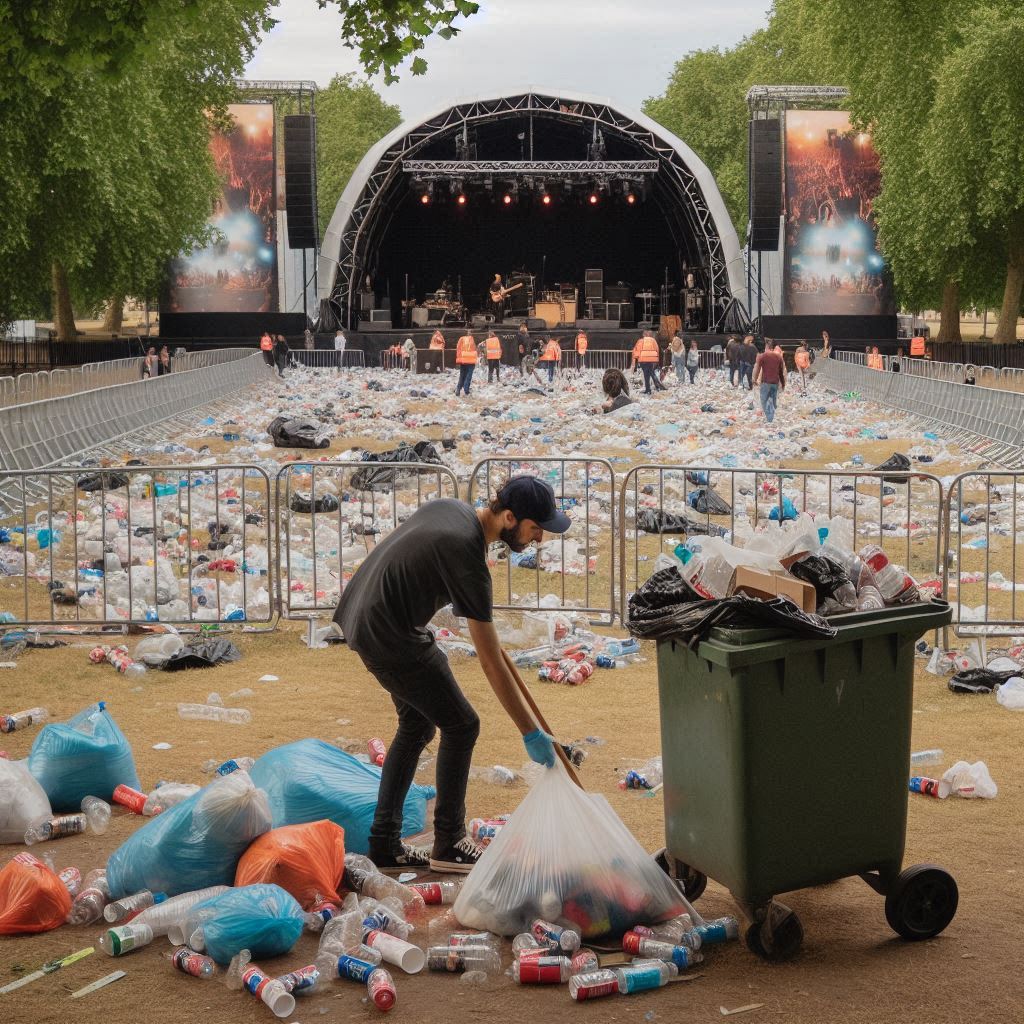
Cleaning Up After Corporate Summer Socials in Greenwich and Blackheath

There is a golden hour on a summer evening in Greenwich Park when the light goes soft over the river, the city glitters in the distance, and a hundred lanyard-wearing office workers are sprawled across the grass in various states of Pimm’s-induced contentment. It is, for about twenty minutes, genuinely lovely. Then everyone drifts off towards the DLR, and what they leave behind on that beautiful royal lawn becomes my problem. If the corporate Christmas party is winter’s indoor carnage – all mulled wine, candle wax and a function-room deposit on the line – then the summer social is its sunlit opposite: outdoors, sprawling, and scattered across some of the most cherished green space in London. I clean up after both, just a short hop from my place in Catford, and swapping a hotel ballroom for Blackheath in July changes absolutely everything about the job. Here is how.

Why a Summer Social Is the Mirror Image of the Christmas Do

Everything that makes a Christmas clean-up hard, a summer one makes hard in reverse. The festive party happens in a sealed room, which is a curse in some ways – everything soaks into one carpet – but a quiet blessing in others, because the mess has nowhere to go. A summer social has no walls at all. Spread a few hundred people across an open park and the rubbish goes wandering with them: cans rolling down the hill, paper plates skating off on the breeze, sandwich crusts flung optimistically towards a bin and landing nowhere near it. Where the Christmas do concentrates the damage, the summer social distributes it, and a wide, breezy distribution is a great deal harder to chase down than a single stained rug.

The cast of villains changes with the season, too. Out goes the mulled wine and in comes warm rosé and spilled Pimm’s, fruit salad and all – the last of the summer wine, quite literally, soaking into the turf. Candle wax gives way to barbecue grease. The frostbitten smokers huddled by a fire exit in December become sunburnt colleagues dozing under a tree in July, and the dropped canapé becomes a dropped sausage, swiftly claimed by an opportunistic crow. It is the same essential event – people, drink and food in quantity – simply photographed in negative.

Open Ground Changes Everything

The single biggest shift is the ground itself. Indoors you work a defined space with a clear edge, and you know precisely when you have finished because you can see all four walls. On open parkland there is no such comfort. Litter migrates downwind for surprising distances, tucks itself deep into long grass and tree roots, and tumbles into flower beds and ha-has where it is absolute murder to retrieve. You cannot simply run a hoover over a hillside. The job becomes a methodical sweep on foot, line abreast, eyes down, across an area many times the size of any ballroom, and you only know it is done when you have walked every inch of it twice.

The Disposable Barbecue Problem (and Other Summer Specials)

If the Christmas party has its signature menace in candle wax, the summer social has the disposable barbecue, and I have come to regard the wretched things with a very particular loathing. People buy them for a few quid, light them on the grass, cook their burgers, and then – this is the bit that makes me wince – simply walk away, leaving a foil tray of coals that stays dangerously hot for hours. On a dry July lawn this is not merely litter; it is a scorch mark burned into the turf, a branded ring of dead grass that can take a whole season to recover, and on tinder-dry common land it is a genuine fire risk that no responsible event should ever leave behind it.

Then there is everything else the season throws up. Barbecue grease congeals on paper plates and soaks into the ground. Food waste, which would sit harmlessly cold in December, turns within hours in the heat and draws wasps in furious clouds. Half-finished cans of warm lager attract every insect in the postcode. There are sun cream bottles, deflated balloons, snapped tent pegs from a collapsed gazebo, and the inevitable single flip-flop whose partner has vanished entirely into legend. Each is minor on its own; together, baking gently in the sun, they add up to a sticky, smelly, fast-deteriorating mess that will not wait politely until morning the way a frozen one will.

Scorch Marks and Hot Coals

The hot coals deserve a paragraph all to themselves, because they are the one part of a summer clean that is actively dangerous rather than merely grim. A disposable barbecue can hold enough heat to burn a hand or start a grass fire long after the last guest has wandered off convinced it had “gone out”. We douse them properly, check the ground beneath for anything still smouldering, and never, ever bag hot coals in with general rubbish, a lesson the whole industry has learned the hard way. On protected heathland during a dry spell, one carelessly abandoned barbecue is all it takes to do real and lasting harm.

Cleaning on Royal and Protected Ground

Here is something that quietly raises the stakes in this corner of London: you are not tidying up any old field. Greenwich Park is a Royal Park, part of the UNESCO-listed Maritime Greenwich, and it sits at the very centre of the riverside Greenwich the whole world recognises – the Observatory, the Meridian where time itself officially begins, and the Old Royal Naval College so beloved of film crews that you have almost certainly watched a period drama swoon over its colonnades without realising where you were looking. Blackheath, just over the brow of the hill, is protected common land with its own deep and storied history. These are not spaces you can leave looking second-best, and the bodies that manage them quite rightly hold events to a high standard.

Which means the clean-up is held to one as well. Ground protection genuinely matters; you cannot drag heavy bins across heritage turf or churn it up with a vehicle. Litter standards are exacting, because a stray bottle on a royal lawn is a far worse look than one in a hired hall nobody will remember. And glass becomes a serious responsibility on ground where children play and people walk barefoot – a single smashed prosecco bottle, scattered invisibly through summer grass, is a hazard that can linger for years if it is not found and cleared with real care.

Sharing the Space with Deer, Dogs and Joggers

You are also, crucially, never alone out there. Greenwich Park still keeps its herd of deer, and litter is no laughing matter to a deer; swallowed plastic and foil can kill an animal that picks it up while grazing. By early morning the parks fill with dog-walkers, joggers and parents with buggies, every one of whom expects the green space to be exactly as pristine as they left it the evening before. A summer clean is therefore a race not against a function-room deadline but against the public themselves: get it wrong, and your leftover mess is on display to half of south-east London by nine in the morning, with the local wildlife having got to it first.

Racing the Heat Instead of the Cold

Cast your mind back to the Christmas piece and you will recall the enemy there was the clock – that brutal overnight turnaround before the room was needed again at eight sharp. In summer, the enemy is the heat, and it imposes a deadline all of its own, just a more biological one. Everything organic left on that grass begins to turn the moment the sun gets on it. Food that would happily keep for hours in a cold December hall is rancid by morning in July, the wasps have moved in, and what was a manageable tidy-up at dusk curdles into a far grimmer job by dawn. The smart move is to clear the bulk of it while the event is still winding down, rather than leaving it to ripen overnight in the warmth.

The work itself is harder in the heat, too, in a way people rarely stop to appreciate. Cold-weather cleaning is miserable, but at least the cold preserves things; hot-weather cleaning means graft in full sun, constant hydration, and a real effort to stop your crew wilting halfway up a hillside. Where the December team battled numb fingers and frozen bin bags, the July team battles sunstroke and the smell. Same job, precisely opposite hardship, which is rather the theme of the whole summer-versus-winter business.

Done Before the First Dog-Walker

For all those reasons, the goal is to finish early and finish completely, before the heat and the public both arrive in force. There is a particular satisfaction, just as there is on a clear winter morning, in standing on a Greenwich hillside at half past seven, watching the first joggers pound up towards the Observatory across grass that only twelve hours earlier held a few hundred merry colleagues and their entire buffet – and seeing not a single trace of any of it. The Christmas do and the summer social could hardly be less alike: one indoors and frozen, one outdoors and baking, one a battle for a deposit and one a duty to a royal park. But the measure of a job done well is identical in both. When nobody can tell you were ever there, you know you have done it right.

Why Glitter Is Every Event Cleaner’s Nemesis (and the Planet’s Too)

In my last piece on the hidden cost of cleaning up after a corporate Christmas party, I made a passing remark about glitter being the festive season’s gift that keeps on giving – the stuff you never truly get rid of, you only relocate. A couple of readers got in touch to tell me I had badly undersold it, and they were quite right. Glitter deserves a post all of its own. In my years of clearing up after London’s parties, weddings and corporate dos, nothing – not mud, not mulled wine, not the contents of a portaloo at two in the morning – has defeated me as thoroughly and as repeatedly as a thumbnail of sparkly plastic. It is small, it is beautiful, it is absolutely everywhere, and it simply will not die. It is the Moriarty to my Sherlock, the one foe I have never fully beaten. So let me tell you exactly why every event cleaner quietly dreads the stuff, and why the planet has even better reason to.

The Mess That Cannot Be Cleaned, Only Moved

Let us start with the practical horror, because that is the part I live with daily. Glitter is engineered, almost perfectly, to resist every single tool in a cleaner’s arsenal. Sweep it and it lifts into the air and resettles three feet to the left, smug as you like. Hoover it and the finest particles slip straight through the filter and puff out the back like a tiny disco snowstorm. Wipe it with a damp cloth and you simply paint it across the surface in a shimmering smear. Each individual fleck is so impossibly light that the faintest draught, the swish of a passing coat, even your own breath as you bend down towards it, is enough to send the whole lot skittering off to begin the chase all over again.

I have cleaned a venue I would have sworn blind was spotless, packed up my kit, driven home to Catford, and found glitter twinkling on my own kitchen floor the next morning. It travels on clothes, in hair, on the soles of shoes, tucked inside handbags. One bride’s hen do in a Greenwich function room left a trail of rose-gold sparkle that the venue was reportedly still finding the following spring, by which point it had somehow migrated into rooms that had been locked shut all winter. It is less a substance, frankly, and more a low-grade haunting.

The cruellest part is how it toys with you psychologically. Most mess gives you the satisfaction of a job done: you scrub the stain, the stain goes, you move on a happier person. Glitter denies you that closure entirely. You can spend two hours on a single room, get it gleaming, and then a shaft of afternoon sun will come through the window at the wrong angle and light up forty flecks you never had a hope of seeing. There is no moment of victory, only the grudging decision to stop. I have learned, over the years, to warn clients before I even start: I can get you ninety-five per cent of the way there, and the last five per cent belongs to glitter for keeps.

The Static Cling Problem

The reason it is quite this maddening comes down to physics, and specifically to static electricity. Glitter is mostly plastic, and plastic holds a charge beautifully, which means each fleck actively clings to whatever it touches – carpet fibres, upholstery, bare skin, and most infuriating of all, the very cloth meant to be removing it. You are not fighting gravity, which you could at least predict and plan around; you are fighting an electrical bond that wants to keep glitter pinned exactly where you do not want it. The professional tricks do help a little. A lint roller is gold for fabric and small areas, a barely-damp microfibre cloth worked in one direction lifts more than it smears, and a balloon rubbed briskly on a jumper will draw stray flecks off a table by static of your own making. For the truly burrowed-in stuff, a lump of Blu-Tack or children’s play dough, pressed and lifted, will pull glitter out of grout lines and skirting-board gaps where no cloth can reach, and for carpets the only thing that genuinely shifts it is the same hot-water extraction kit we use on wine and wax. But “help a little” is honestly the ceiling here. Every method buys you ground rather than victory; total removal is a myth, and any cleaner who promises you otherwise is quietly selling you something.

A Single Speck, A Surprisingly Big Problem

Here is where it stops being a funny story about my kitchen floor. That same set of qualities that makes glitter impossible to clean up – its tininess, its lightness, its flat refusal to break down – is precisely what makes it such an environmental headache. Glitter is a microplastic. The conventional sort is built from a plastic film, usually PET, coated with a whisper of aluminium for shine and then finished with another thin plastic layer, before being chopped into pieces smaller than five millimetres. That is the textbook definition of a microplastic, which means every craft cupboard and party-bag sachet in the land is, in effect, pre-packaged pollution waiting for a drain to find.

And because it does not biodegrade, it does not go away. The flecks I cannot capture do not politely cease to exist; they wash off streets and grass and skin, into drains, through the waterways and, eventually, out to sea. Glitter washed off faces in the bathroom sink the morning after takes the very same journey. The trouble is one of scale: the particles are far too small to be caught by the filters at a water treatment works, so they sail straight through and onward. Once in the water it is mistaken for food by all manner of creatures, from plankton upward, and so begins a slow climb up the food chain that, with a certain grim irony, can end up back on our own dinner plates. A few grams scattered across a dance floor sounds trivial. Multiply that by every wedding, festival and office party in the country, year after year after year, and “trivial” stops being anywhere near the right word.

What the Research Actually Found

This is not hand-wringing guesswork, either. In 2020, researchers at Anglia Ruskin University, led by Dr Dannielle Green, ran the first study to examine glitter’s impact on freshwater habitats, and the results were sobering. After thirty-six days, the presence of glitter had halved the root length of common duckweed and left chlorophyll levels in the water three times lower than normal, a clear sign of suppressed microalgae at the very base of the food web. Glitter, the team noted, is unusual among microplastics precisely because it does not need years to form by larger plastics breaking down. It arrives ready-made, sold by the tube, designed to be flung about with abandon.

The Eco-Glitter Catch Nobody Mentions

The obvious answer, of course, is to switch to biodegradable glitter, and plenty of conscientious festivals and weddings now insist upon exactly that. Back in 2018, sixty-one UK music festivals pledged to ban PET glitter along with all single-use plastic as part of the “Drastic on Plastic” campaign, and the better biodegradable products are built around plant cellulose, often eucalyptus, rather than pure plastic. They are a genuine step in the right direction, and I am all for them. If you are planning an event and you simply must have sparkle, a certified compostable, plastic-free option is unquestionably the more decent choice.

But – and it is an honest but – “eco-glitter” is not quite the spotless conscience it is often sold as. For one thing, the term is used very loosely; some products marketed as biodegradable have a cellulose core but are still coated in aluminium and wrapped in a thin layer of plastic, which rather defeats the entire point. For another, that same Anglia Ruskin study found that the biodegradable cellulose glitter caused much the same harm to duckweed and chlorophyll as conventional PET, with the added sting of encouraging a population boom in invasive New Zealand mud snails. The likely culprit is leachate, and true breakdown seems to need specific composting conditions it never gets when trodden into a wet field.

The Greenest Glitter Is the Glitter You Don’t Use

So where does that leave a weary cleaner who has spent fifteen years losing this fight? Oddly enough, in a hopeful place. The EU has already acted, restricting the sale of loose plastic glitter for arts and crafts from October 2023 under its wider crackdown on intentionally added microplastics, though the rule targets the worst offenders rather than banning all sparkle outright. The UK has not yet followed suit, which for now makes glitter a matter of personal conscience rather than law. And the honest conclusion of all the research is the simplest one of all: the greenest glitter is the glitter that never gets opened. The sparkle of a party can come from foil confetti you can actually sweep up, from clever lighting, from a good old-fashioned disco ball spinning above the floor. The celebration loses nothing, and the river at the bottom of the hill keeps its chlorophyll. My old nemesis has bested me more times than I can count, but the one method that reliably wins is the one nobody wants to hear: do not let it onto the dance floor in the first place.

The Real Cost of a Corporate Christmas Party Clean-Up

Six o’clock on a December morning. The function room of a smart London hotel, the lights up full and unforgiving, and the carnage of last night’s office Christmas party laid bare in all its glory. There’s a paper hat floating in a half-pint of flat prosecco. A trail of glitter leads from the dance floor to the cloakroom like the world’s most festive crime scene. Something unspeakable has happened in the corner by the photocopier, and nobody is owning up to it. To the company that booked the do, the clean-up is an afterthought – a quick hoover, bins out, job done, surely a few quid? I’m here to gently break the news that a proper corporate Christmas party clean-up costs a great deal more than anyone expects, and to explain exactly where all that money goes. Spoiler: it is rarely the hoovering.

Why a Christmas Do Is Not Your Average Mess

The first thing to understand is that a Christmas party generates a category of mess all of its own. Your average corporate event – a conference, a product launch, a daytime away-day – leaves behind cups, crumbs and the odd discarded lanyard. A Christmas party leaves behind evidence. There is mulled wine, which is essentially red wine with ambitions, and which treats a pale hotel carpet the way a toddler treats a white shirt. There are Christmas crackers, which detonate paper hats, plastic tat and tiny useless screwdrivers across every surface within range. There is candle wax from the table centrepieces, dripped and then set hard as concrete by the time you arrive. And there is glitter, the festive season’s gift that keeps on giving, about which I will say only this: you never truly get rid of all of it, you merely relocate it.

Then there is the food. Canapés look elegant on a tray and tragic when trodden into a carpet at one in the morning. Cocktail sausages roll under tables and hide, only to be discovered days later by their smell alone. A cheeseboard, left out overnight in a warm room, develops a personality and an aroma to match. Mince pies crumble into the upholstery and work their greasy fillings deep into the weave. Chocolate fountains – and yes, people genuinely do still hire chocolate fountains, bless them – leave a sticky brown halo that spreads considerably further than you would believe physically possible, invariably onto something pale and expensive. Each one of these is its own separate little job, and the final bill is really just the sum of all of them.

The Open Bar Effect

And then we come to the drink, which is the engine driving most of the above. A free bar at a work party is a glorious and terrible thing. It loosens the ties, fuels the dancing – by midnight the entire accounts team will be giving it absolutely everything to Slade for the fourth time that evening – and it produces, with grim reliability, the morning-after special: spilled pints soaked deep into upholstery, smashed glassware glittering in the carpet pile, and the occasional heartfelt contribution from a colleague who really ought to have stopped at the third espresso martini. Cleaning up after a sober crowd is tidying. Cleaning up after an open bar is closer to triage.

Why December Is the Worst Possible Time to Need a Cleaner

Here is the bit that surprises people most. The single biggest factor in what a Christmas clean-up costs is not the mess at all – it is the calendar. Every company in London wants its party on roughly the same handful of dates: the first three Fridays of December, plus the odd Thursday for the truly organised. That means every venue is booked, every cleaning crew is spoken for, and demand goes through the roof at the exact moment supply runs dry. It is simple economics, and no amount of bah-humbug will change it. The very same clean that might cost a modest sum in dreary February commands a proper premium in the second week of December, because half of London is fighting over the same few pairs of hands.

It is not just the date, either – it is the hour. Function rooms and hotel suites are not booked solid one night and left empty the next. They are turned around. A room that hosted a hundred revellers until the small hours frequently has another party, or a corporate breakfast, walking in at eight the next morning. So the cleaning does not happen at a civilised time. It happens overnight, in the dead hours, against a hard deadline, which is exactly the sort of work that costs more for the very sensible reason that almost nobody wants to do it.

The Overnight Turnaround

That overnight turnaround is where the real pressure lives. There is no luxury of popping back tomorrow to finish off, because tomorrow the room belongs to somebody else entirely. A crew might have a five-hour window between the last guest staggering out and the first breakfast meeting filing in, and in that window everything has to be done – cleared, scrubbed, treated, dried and reset. Antisocial hours, immovable deadlines and absolutely zero margin for error are precisely the ingredients that move a job from the standard rate to the December rate.

The Stains That Quietly Double the Bill

If timing sets the baseline cost, stains are what push it skyward. This is where the gap between a quick tidy and a professional clean becomes a chasm. Red wine and mulled wine on a light carpet are not a hoovering problem; they are a chemistry problem. Leave them overnight – which, by definition, a party clean-up always does – and they set into the fibres, requiring specific treatments, proper extraction equipment and a fair bit of patient skill to lift. Get it wrong, or reach for the wrong product, and you can fix a stain permanently or bleach the colour clean out of the carpet, turning a cleaning bill into a replacement bill in one careless swipe.

Candle wax is its own special menace. Once it has cooled and bonded with carpet pile or a good tablecloth, you cannot simply scrub it away; it has to be coaxed out with heat and absorbent paper, slowly, without scorching the fabric beneath. Vomit, for all its indignity, demands genuine care too – not just cleaning but proper sanitising, because a function room that smells faintly of last night during the morning meeting is a quiet disaster for everybody concerned. None of this is fast, and none of it is cheap, because all of it needs the right products and someone who actually knows how to use them.

When Cleaning Becomes Restoration

At a certain point, what looks like cleaning is really restoration, and the cost reflects that honestly. Deep extraction of carpets, careful treatment of upholstered chairs, lifting wax from an antique table in a heritage venue – these are skilled jobs with proper kit behind them, not something you blitz with a bottle of supermarket spray and a hopeful prayer. The more precious the venue, the truer this becomes. A members’ club with hundred-year-old parquet does not want it mopped like a school corridor, and the care it demands is written quietly into the price.

The Hidden Costs Nobody Budgets For

Even once you have totted up labour, timing and stain treatment, there is a final tier of cost that catches people out, largely because it stays invisible until something goes wrong. Most decent venues do not simply hand over the keys and wish you luck. The booking contract almost always includes cleaning conditions, and frequently a returnable deposit – sometimes a substantial one – that hinges on the room being handed back in good order. Fail to clean it properly, or leave behind damage that gets lumped in with the mess, and that deposit quietly evaporates. The clean you tried to economise on can end up costing you many times over.

Then there is the waste itself, which is far from free to make disappear. A big party produces a startling volume of glass, and glass has to be separated and disposed of correctly rather than tipped in with the general rubbish. Food waste, soggy packaging, broken decorations, the carcass of a collapsed Christmas tree shedding needles into every crevice – it all has to go somewhere, and somewhere always charges for the privilege. There is also the simple fact that daylight is a cruel reviewer. Damage that nobody noticed at midnight – the cigarette burn in the rug, the cracked tile, the wine that has wicked under a skirting board – only announces itself once the sun is up, and by then it is firmly part of the clean-up’s problem. Add all of that together, and the final figure starts to make a great deal more sense.

The Deposit You Don’t Want to Lose

This is the bit worth holding on to. When people balk at the price of a proper Christmas clean, they are usually comparing it against doing nothing at all, when the honest comparison is against the deposit, the damage charges and the replacement carpet they are gambling with by cutting corners. A skilled overnight clean is rarely the expensive option once you weigh it against forfeiting a four-figure deposit because somebody decided a quick going-over with a hoover would surely do the trick. The real cost of a corporate Christmas party clean-up, it turns out, is mostly the cost of not doing it properly.

The Blackheath Fireworks Aftermath: What Bonfire Night Really Leaves Behind

There’s a particular kind of quiet that settles over Blackheath at seven in the morning on the sixth of November. The bangs have stopped, the oohs and aahs have long gone home to bed, and the great open sweep of the heath sits there under a grey London sky looking like it has been through something. Because it has. The night before, the sky was a riot of colour and the ground was a sea of people – tens of thousands of them, wrapped up against the cold, necks craned upward. By morning, all of that magic has condensed into something far less romantic: a vast carpet of debris, churned mud and the faint, throat-catching whiff of spent gunpowder. Everyone remembers the fireworks – remember, remember, and all that. Almost nobody thinks about what they leave on the grass. I do, because clearing it up is my job, and Bonfire Night leaves behind a great deal more than smoke.

The Debris a Fireworks Night Actually Produces

Walk a fireworks site at first light and the first thing that hits you is the sheer variety of rubbish. A music festival is mostly cups and food packaging. A big display is all of that plus an entire second category of mess that comes out of the sky. Spent fireworks do not simply vanish in a puff of glory; they come back down as charred cardboard tubes, plastic end caps, scorched paper casings and confetti-fine fragments of shell that scatter for hundreds of metres. The professional pyrotechnic crews clear their own firing zone, but the fallout – the bits that drift on the wind and settle wherever they please – is a different beast entirely.

Then there is everything the crowd brings. Picture a hundred thousand people standing in the cold for a couple of hours and you can imagine the output: toffee-apple sticks, candyfloss cones, burger trays, chip forks, the odd abandoned glove, hot-chocolate cups by the thousand and, since Blackheath’s big return brought proper street food and a craft beer bar into the mix, a respectable tonnage of cans and cartons too. Glow sticks are everywhere, snapped and leaking and trodden into the turf. It is a strange archaeology, reading a whole crowd’s evening from what they dropped. Time Team would have a field day, if the field were not quite so revolting.

The Sparkler Wire Problem

Of all of it, the thing I dread most is the humble sparkler. Once the magnesium has burned off, you are left with a thin steel wire, often still faintly warm, lying invisible in dark grass. They are fiddly, they are sharp, and they have a nasty habit of finding the soft part of a litter-picker’s palm. Worse, miss one and it sits there for the council mowers to fling about come spring, or for a fox or a curious dog to discover first. We hunt them out by hand and by eye, on our knees if we have to, because there is no machine clever enough to tell a sparkler wire from a blade of grass.

Why November Mud Is the Real Enemy

If you ask me what makes fireworks cleaning harder than any summer festival, I will not say the volume and I will not say the wire. I will say the mud. Bonfire Night happens in the first week of November, which in London means cold, damp, frequently bucketing rain, and a sun that clocks off mid-afternoon. Send a hundred thousand pairs of boots across a wet heath for an evening and you do not have a field any more; you have a churned-up bog with delusions of being a field. The grass disappears. The mud takes over. And mud changes absolutely everything about the job.

For a start, it hides things. A drinks can pressed flat into the muck is far harder to spot – and far harder to prise out – than one sitting on dry July grass. Everything you pick up weighs more, because it is all coated. Wheelbarrows sink. The bin bags get heavier by the minute, and a sodden bag splits at the worst possible moment, which is always when it is full to bursting. Machinery that would skim happily across a dry park bogs down and starts carving ruts of its own, and that is a problem in itself, because the last thing the heath needs is to be scarred by the very people sent to tidy it.

Working Against the Cold and the Clock

And you are doing all of this in the dark and the cold, usually well before the sun is up. Fingers go numb inside two pairs of gloves. Head torches become your best friend. There is no gentle easing into the shift the way there is on a warm summer morning; you are straight into it, breath fogging, hands aching, because the clock is against you. Blackheath is crossed by roads and walked by half of south-east London, so the site simply cannot sit closed for days on end. It has to be usable, and quickly, which means the bulk of the work happens in a brutal few hours while everyone sensible is still tucked up asleep.

The Fallout That Travels Far Beyond the Field

Here is the part most people never consider. The mess from a fireworks display does not politely confine itself to the event field. Fireworks are launched hundreds of metres into the air, and a good north-easterly will carry the spent debris a remarkable distance. After a big Blackheath night, residents in the surrounding streets – and over towards Greenwich and Lewisham – regularly find charred casings in their gardens, on their flat roofs, in their guttering and bobbing about in their ponds. The clean-up footprint is always far larger than the bit that was fenced off, and a good chunk of it lands on private property where the official crews never set foot.

This is not a new phenomenon, by the way. Bonfire Night has been making a glorious mess of this corner of London for well over a century. Back in 1885 the Lewisham Bonfire Boys paraded a half-mile procession of flaming torches and costumed riders through Lewisham, Lee, Blackheath, Greenwich and my own Catford, watched by tens of thousands. They most certainly were not sorting their recycling afterwards. The scale has changed and the safety standards have been transformed beyond recognition, but the basic truth has not: a proper fireworks night scatters itself across a whole neighbourhood.

What It Means for Wildlife and Green Spaces

That scatter matters most where it meets nature. Blackheath, the commons and the parks around it are living habitats, not just venues, and plastic end caps, foil and sparkler wire are exactly the sort of thing that harms birds, foxes and hedgehogs long after the crowds have drifted home. A great deal of the fallout is not remotely biodegradable, so if it is not gathered up it simply breaks into ever-smaller pieces and lingers in the soil for years. It is why the better-run displays now lean on lower-debris and biodegradable products where they can, and why a thorough sweep is never just about appearances – it is about not leaving a slow-release pollution problem buried in the grass.

How the Clean-Up Actually Gets Done

So how do you tackle something this size without losing your mind? Methodically, and in waves. The first pass is the big, obvious stuff – the full bin bags, the broken furniture, the funfair leftovers, the camping chairs that people inexplicably haul to a two-hour event and then abandon to their fate. Clearing the bulky items first opens up clean lines of sight and gives the crew room to actually work. Next comes the line sweep, the bit that looks faintly ridiculous and works brilliantly: a row of us shoulder to shoulder, walking the heath end to end at the same steady pace, eyes down, missing nothing. It is the only reliable way to comb a space that big.

After the line sweep comes the fingertip work – the slow, knees-in-the-mud hunt for sparkler wire, shell fragments and all the small sharp things a quick pass always leaves behind. We sort as we go, keeping cans and bottles apart from the general waste, because hauling the whole lot to landfill in one undifferentiated heap is both lazy and needlessly expensive. The paths and hard standing get a mechanical sweep wherever the ground is firm enough to take it, and the funfair and food-stall footprints get special attention, since dropped food and spilled grease draw rats faster than anything else on earth.

Racing the Sunrise

The unspoken goal of every fireworks clean-up is beautifully simple: get it done before the heath wakes up. There is a real satisfaction in standing on a clear, quiet common at half past eight, watching the first dog-walkers and commuters cut briskly across grass that twelve hours earlier was buried under a hundred thousand people’s worth of mess – and seeing not one of them give it a second glance. That is the whole trick of the work. When nobody can tell you were ever there, you know you have done it properly. The fireworks get the applause and the photographs; the dawn crew just gets the quiet. And honestly, after a night like that one, the quiet will do very nicely.

How To Plan Your Cleaning Effort After A Large-scale Outdoor Corporate Event

I’ve seen it more times than I care to admit: the music stops, the speeches finish, the networking wraps up, and suddenly you’re left staring at a sea of plastic cups, crushed canapés, and confetti tangled in the grass. Large-scale outdoor corporate events can look seamless while they’re happening, but when it comes to cleaning, they’re a beast of their own. Proper planning makes the difference between a chaotic aftermath and a smooth, manageable cleanup. Let’s go through exactly how to tackle it.


Why Post-Event Cleaning Matters

Cleaning up after a big event isn’t just a cosmetic exercise. It has real consequences for health, the environment, and your organisation’s reputation.

Health & Hygiene Risks

Leftover food and drink can turn a pleasant outdoor space into a breeding ground for bacteria and pests. Flies, rodents, and other critters are quick to find any unattended scraps, while sticky surfaces and wet patches pose hazards for anyone walking around. Ignoring hygiene risks doesn’t just create complaints; it could lead to fines if health and safety regulations are breached.

Environmental and Local Community Concerns

Big events often happen in public parks or shared spaces. Leaving rubbish behind doesn’t just upset local wildlife; it angers neighbours and can harm community relations. Plastic cups, bottles, and single-use plates often get blown into hedges or waterways if not cleared promptly. A clean-up plan keeps the venue as welcoming as it was before your event arrived.

Reputation & Brand Value

Clients and guests notice when a company doesn’t take responsibility for its mess. Your brand could be remembered for the chaos left behind rather than the carefully curated networking experience. A structured, well-managed clean-up signals professionalism and respect for both people and places.


Assessing Your Cleaning Needs Before the Event Ends

A successful clean-up starts before the last guest leaves. Planning ahead allows you to tackle mess efficiently and avoid surprises.

Mapping Waste and High-Traffic Zones

Start by identifying where rubbish will accumulate. Food stalls, beverage stations, VIP corners, and outdoor seating areas are prime mess zones. Position bins strategically and anticipate areas where guests may gather spontaneously. This map will guide your crew and prevent bottlenecks during clean-up.

Building a Flexible Cleaning Crew

Assigning roles early is essential. Divide the team into bin runners, surface cleaners, and sweepers, but keep flexibility in mind. Events rarely follow the exact plan, so your crew needs to pivot quickly. Experience shows that a team ready to adapt is the backbone of an efficient post-event clean-up.

Stocking the Right Equipment and Supplies

The right tools save time and reduce frustration. Heavy-duty bin bags, tarpaulins, brooms, mops, gloves, and disinfectants are the basics. Don’t forget contingency supplies like extra gloves, wet-weather gear, or portable lighting for late finishes. Preparing thoroughly means fewer delays when the real work starts.


Cleaning During the Event – Real-Time Strategies

Waiting until the last guest leaves isn’t always smart. Small, ongoing interventions prevent chaos and make the post-event clean-up more manageable.

Running Continuous Bin Collection

Assign a few crew members to roam with bin bags or wheelie bins. Emptying waste bins regularly avoids overflowing messes and reduces the risk of items blowing around. It’s a minor effort during the event but a huge time saver later.

Mobile Cleaning Stations

Set up mini cleaning stations near food stalls and high-traffic areas. Stock them with wipes, disinfectant sprays, and hand sanitiser. These stations allow quick responses to spills and keep surfaces manageable throughout the day.

Responding to Emergencies or Weather

Outdoor events can be unpredictable. A sudden downpour or gust of wind can scatter rubbish and leave paths slippery. Your team should be ready to act fast — covering waste, sweeping puddles, and relocating wet items before they create bigger issues.


The Post-Event Deep Clean

Once the event ends, it’s time for a structured, thorough clean. This is where preparation pays off.

Initial Sweep & Triage

Begin with a general sweep, separating recyclables, food waste, and general rubbish. Large items like broken furniture or signage should be cleared first to create clear walking space for your team. Sorting early prevents bottlenecks later in the process.

Targeted Area Cleaning

Prioritise areas where guests spent the most time. VIP zones, food stations, and restrooms should be tackled before open lawns or parking zones. Use appropriate tools for each surface — scrubbing mats, pressure washing hard paths, or sweeping gravel areas. Efficiency comes from methodically moving from high-priority to low-priority zones.

Tackling Tough Spots: The Mud, The Grime, The Leftovers

Outdoor events inevitably leave stubborn spots. Muddy patches near entrances, spilled drinks on decking, and confetti embedded in grass require extra attention. Use tarps to gather scattered debris, and assign teams to tackle difficult areas in rotation to prevent fatigue. It’s gruelling work, but tackling it systematically ensures no area is overlooked.

Final Stage – Polishing & Inspection

The final touches matter. Wipe down tables and surfaces, hose paths if necessary, and double-check bins are emptied. Walk the entire site to ensure nothing has been missed. The aim is to leave the venue in a condition that exceeds expectations, restoring both appearance and safety.


Logistics, Team Coordination & Safety

Cleaning after a large event is a team sport. Clear communication and safety measures are essential.

Communication Channels

Use radios, mobile phones, or even designated leaders to keep everyone in sync. Everyone should know their zones, responsibilities, and what to do if the plan changes. Coordinated teams work faster and avoid redundant effort.

Safety Measures & PPE

Safety is non-negotiable. Gloves, boots, high-visibility jackets, and rain gear keep the crew protected. Hydration breaks and shift rotations prevent fatigue. Have a first-aid plan ready — accidents can happen, especially when dealing with slippery surfaces or heavy loads.

Environmental & Waste Disposal Logistics

Waste isn’t just about picking it up; it has to go somewhere. Coordinate with local councils or contractors for collection and disposal. Separate recyclables, compostable waste, and general rubbish. If hazardous materials like broken glass or signage are present, follow the proper disposal procedures.


Sustainability & Getting Green About It

Events can leave a lasting footprint, so post-event cleaning should consider the environment.

Using Eco-Friendly Cleaning Products

Choose biodegradable or plant-based cleaners to reduce chemical impact. Avoid harsh chemicals that can harm grass, soil, and wildlife. Eco-friendly solutions protect both the site and your crew.

Recycling and Composting

Separate bins for recycling and composting make a tangible difference. Encourage staff to properly sort waste, and coordinate with local recycling centres to ensure items don’t end up in landfill unnecessarily.

Reducing Carbon Footprint of Cleaning Operation

Use local teams to reduce transport emissions. Plan routes for waste collection efficiently, and minimise multiple trips to dispose of rubbish. Small changes across a large event can significantly reduce environmental impact.


Post-Clean Review & Feedback Loop

After the last broom is stored, take a moment to reflect. Reviewing the process helps improve future operations.

Conducting a Debrief

Gather your crew to discuss what worked and what didn’t. Weather issues, supply shortages, or staffing gaps can be noted so solutions are ready for next time.

Gathering Client & Stakeholder Feedback

Ask organisers how they felt about the clean-up. Did the site meet their expectations? Was anything overlooked? Feedback helps refine strategy and shows professionalism.

Documenting for Next Events

Create a cleaning playbook or checklist. Include lessons learned, useful supplier contacts, and estimated time per area. Documentation transforms each event into a learning opportunity, reducing stress for future clean-ups.


Costing and Budgeting Your Cleaning Operation

Cleaning isn’t free. Budgeting upfront avoids nasty surprises later.

Estimating Labour Costs

Calculate how many staff are needed, factoring in shift length, breaks, and overtime. Flexibility costs extra but prevents under-staffed chaos.

Materials & Equipment Budget

Include costs for gloves, tarps, brooms, mops, disinfectants, and any specialised tools. Plan for wear and tear, too — large events can take a toll on supplies.

Waste Disposal Fees

Factor in charges for general waste, recycling, composting, and hazardous waste. Don’t underestimate the cost of council permits or skips if needed.

Contingency & Unexpected Costs

Weather, unforeseen messes, or last-minute site changes can add expenses. A contingency buffer keeps the clean-up manageable and avoids cutting corners.


Real-Life Story: When Plans Meet Reality

I remember a corporate event in a large city park where the sun shone all day. Everything looked perfect until the end. The VIP area was carpeted in champagne corks, and the main networking zone had mud tracks from hurried guests. With careful planning, a well-coordinated crew, and some ingenuity — tarps for debris, mobile cleaning stations for quick spot-cleaning, and a team rotation system — we left the park spotless by midnight. Guests and organisers alike were impressed, and the city council didn’t even blink. It was a messy day, but planning turned it into a triumph.


Cleaning up after a large-scale outdoor corporate event doesn’t have to be overwhelming. With preparation, flexibility, and attention to sustainability, you can transform what looks like chaos into a smooth, manageable process. Proper planning, a well-equipped crew, and structured post-event steps make all the difference. Even for the biggest events, the effort pays off — leaving organisers smiling, guests impressed, and the venue better than before. If you want to get it done properly, calling in professionals — like the Catford Cleaning Gals for advice — ensures your clean-up is as seamless as your event itself.

Is Flexibility Your Biggest Asset When Cleaning At Big Outdoor Events?

Yes. And not just by a little. Flexibility is your best mate when you’re scrubbing bins, wiping down toilets, and dodging punters at outdoor events. The kind of work I do isn’t your average dust-and-hoover session. This is proper action-packed, full-volume, often chaotic event cleaning. One minute you’re refilling loo roll in the portaloos, the next you’re sweeping up glitter, broken cups, and someone’s leftover jacket potato. I’ve worked festivals where the mud came up to your ankles and dance parties where half the crowd wore nothing but mesh and body paint. Through it all, the one thing that saves your day—every single time—is how quickly you can adapt. Planning has its place, sure. But when you’re elbow-deep in bins and it starts bucketing rain or someone mistakes the disabled toilet for a bathtub (true story), planning goes out the window. What saves you? Being flexible. Being quick on your feet. And knowing your team’s got your back. That’s how you survive a 3-day grime fest in Hyde Park or a boozy two-nighter in Brockwell Fields.


It Always Starts With Chaos

Outdoor Events Have One Thing in Common: Total Unpredictability

The biggest characteristic of large outdoor events? They never go as expected. You can have the best schedule written in multicoloured markers stuck on the staff noticeboard, but you’ll still end up chasing loose bin bags across a field at some point. I’ve cleaned at music festivals across London—Wireless, All Points East, even the occasional pop-up rave in Peckham Rye—and every one of them taught me that surprises are the only guarantee.

Let me paint the scene: you show up, bright-eyed, with your gear packed and boots laced. You’re ready. Forecast says “light drizzle”, so you’re thinking: easy day. Then, halfway through the shift, the sky falls apart and it’s practically a monsoon. The paths flood. Your gloves are soaked. People start abandoning their wet shoes in the middle of the dance area. You can’t plan for that. You can only respond. That’s why flexibility trumps preparation nine times out of ten.


Don’t Try to Outthink the Sky (Or the Crowd)

Some Things Are Out of Your Hands – Accept It

I used to be one of those people who’d spend hours trying to plan every tiny thing before an event. I had spreadsheets, colour-coded kits, and little sticky notes for who gets what task. Then came my first proper outdoor gig in Clapham Common, and let’s just say all that planning went out with the leftover noodles and chicken wings.

Here’s the truth: the weather doesn’t care about your prep. The crowd doesn’t care about your checklist. People will get drunk. People will get messy. Sometimes they’ll tip entire bins over for reasons that defy logic. You can’t predict how 15,000 people will behave when the DJ drops a remix of some ’90s banger. You’ll see grown men chucking pints, women crying in toilets, and some poor soul sleeping in a recycling station. You can’t out-plan that.

So what do you do? Stop wasting energy worrying about the things you can’t control. Don’t try to organise the unpredictable. Just show up ready to bend, twist, pivot, and roll with whatever madness the day brings.


Experience Helps—But Don’t Let It Trap You

Old Tricks Are Handy Until They Aren’t

There’s no doubt that experience makes a difference. You learn where to set up the toilet roll restocks so you’re not sprinting across the site like a contestant on Gladiators. You get a feel for crowd flow—how the foot traffic shifts after sunset or when the headline act hits the stage.

Still, don’t get cocky with experience. I’ve seen cleaners who’ve done Glastonbury five years in a row get completely thrown off by a sudden route change at Field Day. Just because it worked last time doesn’t mean it’ll work now.

One year, I was on toilet duty at a daytime dance party in Blackheath. By 4 p.m., one whole row of portaloos had flooded. Completely unusable. I thought, “Right, I’ve seen this before.” I started redirecting people to the second bank of toilets. But that just caused a queue longer than the bar. In the end, a rookie on my team suggested rotating two temporary cubicles in from a storage area I didn’t even know existed. Worked like a charm.

So yes, lean on experience—but don’t let it limit how you react. Sometimes the fresh eyes of a newbie spot the fix quicker than your years of doing things the same way.


It’s All About the Crew

Trust Your Team or You’ll Lose Your Mind

If flexibility is the muscle, teamwork is the spine. At big events, no cleaner works alone—not if they want to stay sane. You need people you can shout to when the bins are overflowing faster than the staff can empty them. You need someone to back you up when there’s a hygiene emergency in the family zone. And you definitely need someone to pass you wet wipes when your hands are covered in ketchup and soap foam.

I’ve worked with teams from all over—Polish, Jamaican, Romanian, you name it. And when everyone’s moving like a unit, the shift goes like a dream. One of my best crews was at a summer indie festival near Croydon. It rained, obviously. But instead of moaning, everyone got stuck in. We set up a tarp system near the loos, used leftover fencing to cordon off the really muddy patch, and even got the event manager to bring in sandbags. Not one of us planned that—but every one of us chipped in like it was second nature.

Trusting your team means knowing they’ll do their bit—and not throwing blame when it gets messy. You win together, stink together, and laugh together at the end of it.


Real-Life Lessons from the Mud and Mayhem

From Catford to the Main Stage

Living in Catford, I know my way around London’s green spaces and event zones. From Brockwell Park’s family festivals to big-budget shows in Hyde Park, I’ve scrubbed down the backstage areas and trudged across more soggy fields than I can count. Every event teaches you something new about being flexible.

There was one unforgettable weekend where I got booked for a two-day music event in Greenwich. Gorgeous setting. Weather forecast? Warm and dry. Of course, Saturday morning brought full-on fog and drizzle. I ended up wearing bin bags over my boots and swapping gloves every hour. Half the bins disappeared under a layer of mist and pizza boxes. But the crew stayed upbeat. We split into little squads and did rapid rotations, which kept everyone moving and dry-ish. We even turned a rubbish run into a bin-bag sack race at lunch. Madness. But we left that park cleaner than when we found it.


So, Is Flexibility Your Biggest Asset?

Absolutely. It’s more than helpful—it’s survival. Forget perfection. Forget your fancy prep list. The only way to stay afloat (sometimes literally) during big outdoor events is to flex with whatever hits you. Stay cool when the crowd doubles. Keep your wits when the wind takes off with your plastic gloves. Laugh when the portaloo door falls off its hinge mid-clean. And know that your team’s got you—even when it’s 11 p.m. and you’ve still got one final bin run before heading home to Catford.

Being flexible isn’t a personality trait, it’s a work requirement. Especially if you’re the kind of cleaner who shows up, stays till the end, and leaves every patch of field better than it started. You might not get a shoutout from the DJ or a thank you from the glitter-covered dancers. But you’ll know you handled it, adapted, stayed standing, and didn’t lose your mind along the way.

And that, my friend, is the real win.

Weather Considerations: How To Plan For Cleaning After Large Outdoor Events In London

When planning outdoor events in London, the unpredictable weather can be a significant challenge, influencing everything from the event layout to the cleanup process. Understanding the city’s climate is crucial for anticipating potential obstacles, mainly when cleaning up after large gatherings.

This article explores various weather scenarios and offers effective strategies for keeping your event site tidy while minimising environmental impact. Discover how to prepare for rain, wind, and heat, ensuring a smooth cleanup regardless of the elements.

Open-air concert at Streatham Common, London

Weather Considerations for Outdoor Events in London

When planning outdoor events in London, understanding the weather conditions is crucial for ensuring everything goes smoothly. With the city’s unpredictable climate—sudden rain showers, changing temperatures, and varying humidity levels—keeping an eye on the weather is critical to effective event management.

By analysing weather patterns, you can make wiser decisions about scheduling and logistics, ensuring every detail is covered. This will enhance attendee safety and satisfaction, leaving everyone happy and dry!

Understanding the Climate in London

London’s climate is shaped by its geographical location, and you need to grasp the distinct seasonal changes to organise outdoor events.

The city has a temperate maritime climate, which means you can expect mild summers and cool winters, which can significantly affect your outdoor planning. Spring arrives with blooming flowers and longer daylight hours, setting the perfect stage for festivals and markets. Then there is summer, which brings warm but often unpredictable weather, leading to a spike in public events.

As autumn arrives, the vibrant foliage is beautiful, but you will also notice an increase in rainfall. This is when you will want contingency plans to keep everything running smoothly. On the other hand, winter can throw a spanner in the works with its cold temperatures and occasional snow. This might push you to consider winter-themed concepts or cosy indoor venues for your events.

By understanding these seasonal variations, you can maximise attendance and ensure everyone has a great time at your event.

Challenges of Cleaning After Large Outdoor Events

Cleaning up after large outdoor events can be challenging for an event organizer, especially when handling waste disposal and ensuring cleanliness standards are up to scratch.

You’ll need to manage post-event cleanup logistics and coordinate with cleaning crews, so having a solid plan is essential. With all the rubbish and debris generated and any troublesome weather issues that might arise, it’s important to restore the venue quickly and efficiently strategically.

Potential Weather-Related Obstacles

Weather-related obstacles, such as unexpected rain showers, strong winds, and extreme temperatures, can throw a spanner in the works regarding outdoor events. It’s essential to plan carefully to tackle these challenges head-on.

These conditions can lead to all sorts of logistical headaches, putting the comfort and safety of your attendees at risk. For instance, rain can make surfaces slippery and increase the risk of injuries, while strong winds can wreak havoc on sound systems or make tents unstable.

That’s why it’s wise to consider using high-quality tents and canopies to protect everyone from unexpected weather, whether it’s rain or blazing sunshine. By strategically placing tents and tables to minimise wind exposure, you can create a more enjoyable atmosphere for your guests.

Furthermore, investing in weather monitoring services before the event and having contingency plans ready can help ensure that sudden weather changes don’t derail your plans. This way, you can enhance the overall experience for everyone involved.

A group of people gathering the garbage leftovers after an outdoor concert.

Preparing for Different Weather Scenarios

Preparing for various weather scenarios is essential for your outdoor events. It helps you create robust contingency plans that keep your attendees safe and happy.

By conducting thorough risk assessments and considering the event’s duration, you can identify potential weather-related issues and devise strategies to address them. This proactive mindset improves operational efficiency, enhances community involvement, and elevates event branding.

Creating a Contingency Plan

Creating a contingency plan is essential when managing events, especially outdoors, where the weather can be unpredictable. You want to be ready for anything disrupting your logistics and schedule.

A solid plan will cover various challenges that could arise, ensuring your attendees have a smooth experience. Watch weather alerts regularly because sudden changes could mean you need to make quick adjustments.

Don’t forget to consider potential scheduling conflicts, especially if vendors or key participants have other commitments. Having alternative dates or indoor venues on standby can save the day if the outdoor conditions take a turn for the worse.

Plus, it’s crucial to establish effective communication channels to keep everyone informed about any changes in real time. That way, everyone remains prepared for those unexpected twists and turns.

Effective Cleaning Strategies for Various Weather Conditions

You must implement effective cleaning strategies tailored to different weather conditions to keep things sanitary and clean after outdoor events. This makes a significant difference for the community.

Whether dealing with debris removal during rainstorms or tackling waste collection in the heat, having a flexible approach can enhance your post-event cleanup efficiency.

As an event organiser, you must consider how specific weather conditions affect surfaces and materials. Choose the right biodegradable products and equipment to do the job properly.

Tips for Cleaning in Rain, Wind, and Heat

When dealing with the challenges of cleaning up in the rain, wind, or heat after outdoor events, a few practical tips boost your efficiency and effectiveness.

Having the right equipment ready to tackle that mountain of debris and waste. For example, heavy-duty tarpaulins can be a lifesaver, protecting your items from rain while giving you a solid surface to sort and collect waste.

Sturdy rubbish bins with lids are another must-have—they’ll help keep everything in check during windy conditions so you won’t chase litter everywhere. And let’s not forget about hydration! In hot weather, your cleaning crews must stay refreshed, so planning for shaded rest areas can lift morale and keep productivity high.

It’s also wise to think about scheduling your cleaning efforts after the worst weather has passed. This way, you can ensure a safer and smoother cleaning process.

Minimising Environmental Impact

Minimising the environmental impact during outdoor events isn’t just a responsibility; it’s also a fantastic opportunity to demonstrate your commitment to sustainability and community resources.

You can significantly reduce pollution and positively impact the community by using eco-friendly practices, such as biodegradable products for waste disposal and recycling initiatives.

When you prioritise environmental considerations in your event planning and execution, you’re helping to foster a cleaner, greener future for all public events.

Sustainable Cleaning Practices

Adopting sustainable cleaning practices is vital as an event organiser if you want to reduce your ecological footprint and promote environmentally responsible waste management.

You can reduce your events’ negative environmental impact by using eco-friendly products like biodegradable cleaning agents and reusable supplies. Setting up composting systems helps divert organic waste from landfills, a great way to support a circular economy. You can also encourage your guests to use designated recycling bins and provide them with educational resources on sustainable practices. This not only elevates their overall experience but also raises awareness about the importance of sustainability.

In the end, embracing these strategies doesn’t just boost your event’s reputation and inspires attendees to adopt more sustainable lifestyles.

Pitching My Cleaning Idea

“That’s such a cool idea, Kerry! I think you should give it a try. You can pull it off, no matter what anybody else says!”

If I ever needed positive energy and support, I knew I could expect it from my friend Valery. We went to high school together, but we were polar opposites even back then. If I was the disappointing kid totally disinterested in the school program, Val was the “straight-A” super student who participated in competitions and was certain to go to college. But she was one of the few people who understood my struggles and broke through my wall of anxiety, disappointment, and teenage anger. We remained close friends ever since.

A few weeks have passed since the UKG festival at Streatham Common (if you haven’t read my first post, you can check it here), and the older lady’s words still stuck in my head. I was absentmindedly sleepwalking through my shifts in the store, not sure what my next step should be. Back then, Valery had just finished her MBA at Birkbeck and was about to start her career in one of London’s best-known business consulting firms. So, I decided to use her expertise and get some free advice on how feasible it would be to launch a new business.

“Most people have that wrong notion in their head that you need piles of cash to start a business. That’s not at all true – but you do need a good idea. You also need expertise and experience in the field, a good team, and dedication. So let’s see what you’ve got. A good idea, check. Expertise – let’s say semi-check. Experience – pass. A good team – pass. Dedication – check. In other words, you are halfway from where you want to be. If I were you, I would work on expertise and experience – find as much information as you can on outdoor events cleaning, how many companies in London provide it, what their rates are, etc. No pun intended, but you will need to do your homework.”

We both laughed out loud – a testament to how far away I have come from my high school failures. Then, Val made one of her trademark dramatic pauses and said: “There is an alternative, but I don’t think you are going to like it.”

“Tell me anyway”, I said between bites from my croissant.

“You can find a big cleaning contractor that does not provide the service and pitch them the idea. However, you must make it clear from the start that you are not looking to be their employee. Instead, you will be offering them a partnership – you can be their subcontractor and use their workforce and contacts while you do the heavy lifting and everyday management.”

“You know what, I think you can do this for a living!” I commented, and we laughed even louder.

Contrary to what Val thought, the second idea appealed to me instantly. I had to be realistic – I was not ready to create and run my own business, not yet. But if I could convince an established company to run with my idea, the opportunity could be huge.

I spent the next few weeks in a frantic search for information. There were hundreds of cleaning companies in London – large and small, limited in a few local areas or operating city-wide. But those with “event or post-event cleaning” in their service portfolio mainly specialised in indoor events and venues. Furthermore, I hadn’t realised there were over 200 annual outdoor events in London, including music concerts, local festivals, literary contests, sporting events, and God knows what else. And I hadn’t even considered indoor events – if I added them to the mix, the niche would have become monstrous.

I started reading about cleaning requirements, best industry practices, cleaners’ hourly rates, and how to plan a cleaning budget for a large-scale event. The more I read, the more I became immersed in my project.

After careful research, I picked a cleaning contractor with great customer feedback. They were operating city-wide, offering an extensive range of services, and I finally summoned enough courage to send them an email asking for an appointment. To my astonishment, I got a response within two days with their office address and a scheduled visit.

The next three days were arguably the most nerve-wracking in my life. I had prepared a thorough presentation of my idea (“Brilliant” was Val’s assessment, but she was hardly objective), and I ran through the numbers over and over again. I hadn’t studied so hard in my life – but if I were going to fail, it would not have been because I hadn’t done my homework.

I stepped into the cleaning company’s office as nervous as a first-time soldier on a battlefield. The person I was supposed to meet turned out to be an affable gentleman in his mid-40s, the operating manager. “Hi, my name is Robert. Look, I’ll give you fifteen minutes, but if you don’t grab my attention in the first five, I’ll cut you short.”

“Fair enough”, I thought, took a deep breath, loaded the presentation on my laptop and jumped into the shark tank. Robert reclined back in his chair and listened politely. Still, I could see the combination of amusement and condescension on his face. A few minutes into my presentation, however, his expression began to change. It became sharper, more intent, paying attention to the numbers I was spitting in quick succession. The five-minute mark passed, and he didn’t stop me, so I knew I had my chance.

When I finished, he sat silently for a few seconds. “I am afraid we’ll have to reschedule the meeting. I’ll be frank with you – I expected this to be another hare-brained idea of a young cleaner who wants to make it in the business. What I heard is anything but hare-brained. Unfortunately, I cannot make this call. You are offering us a full-fledged partnership, and only my boss – the company’s owner – can decide.”

I looked at him dumbfounded. He hadn’t laughed me off, he wasn’t sending me away with polite nonsense. Robert was actually telling me my idea made sense!

“I can come back and meet your boss at his convenience. You have my number and email.” We shook hands, but before we left, he patted me on the shoulder and said: “That’s the best presentation I have seen in a long while. Don’t sweat it, you are almost there. My boss knows a winner when he sees one.”

Had I just made the most crucial career step in my life?

How A Music Festival Epiphany Changed My Life

“I don’t know what to do with you, Kerry! Another “F” on an easy test. If you don’t get your act together, you won’t be able to pass my class. Even worse, if you continue down the road you are threading, you will end up picking up garbage cans or cleaning the subway!”

I’d heard it all before. I was eighteen, in my last year at Colfe’s School in Lee. What surprised me this time was the venom in Mrs Mattison’s voice. She was my chemistry teacher, and like most of her colleagues, she considered me a total failure and a waste of her time.

Let me take a quick step back. My name is Kerry Brockhurst, I am twenty-six years old, and I’ve lived in Catford, London, all my life. I run a small company specialising in cleaning after outdoor events – concerts, festivals, art workshops, etc. If you had told anybody who knew me ten years ago that I would be managing my own company and be good at it, they would have laughed at your face. I guess who laughs last is what really counts.

I wouldn’t say I was a rebellious or lazy teenager. I was pretty passionate about many things – disco and electronic music, environmental issues, keeping the local parks clean and so on. The problem was none of these were part of the school program. Instead, I had to study mind-numbing stuff that I resented – Math, chemistry, biology. By the time I was sixteen, I had reached my breaking point. I stopped doing my homework regularly and wasn’t paying attention in class. My teachers tried to persuade me I was making a terrible mistake, but none of their arguments sounded particularly convincing.

The inevitable happened – I had a horrific GSCE score from Colfe’s and no realistic prospect of going to college. My parents had given up on trying to push me in any direction and were just hoping I wouldn’t end up in prison. Looking back, I must admit my teachers had a point, at least to some extent. I was an opinionated, strong-willed, non-conformist kid locked up in a conformist system. Thousands of other young boys and girls must have felt the same way – some compromised with the school system’s necessities, others didn’t. But what happened next must have shocked everyone who knew me, including my parents.

If you loved UKG (UK garage music) as much as I did, Garage Nation was one of the most important events on the calendar. The 2017 annual outdoor festival was about to take place in July at Streatham Common, and a few of my best friends surprised me with tickets for my 20th birthday. At that time, I was working at a local grocery store in Catford as a cashier – with no career prospects, no particular plan for the future, and no idea what I wanted from my life. Doubts had dangerously begun to creep in whether my high-school teachers had been right about me all along. Was I to be a failure?

However, for just one day, I decided to put my worries aside. The event was a blast! Some of the UK’s best-known DJs and MCs turned Streatham Common into a giant dance club, and the fun lasted for hours! It was after dark when the last performers went off stage, cheered by a frantic crowd. The atmosphere in the park was electric, and I didn’t want to go home just yet. Along with a group of friends, we found a nice spot to sit and share our impressions of the festival.

Garage Nation festival at Streatham Common.

While the others were arguing about the best performance of the day, my attention switched to the people cleaning around the stage. Or rather – pretending to clean. They were picking up water bottles and beer cans, but at least a third of the garbage remained behind them.

Keeping parks clean has been one of my passions ever since my Mom took me to an Earth Day event to pick up garbage in Mountfields Park when I was twelve. I knew that massive events like outdoor music festivals put a lot of strain on the park authorities, but what I was seeing was nowhere near the effort required. Still, there was little I could do at this very moment.

The next day, however, the bad impressions were still needling me. I was off from work, so I decided to go to Streatham Common and check the situation. It was terrible! The festival organisers had made a mockery of the cleaning effort, and the vast lawn around the now-removed stage was littered with all kinds of garbage. I tried to contact the organisers immediately, but when they found out why I was calling, they blew me off in a second. Nobody was picking up the phone left on the Lambeth Council website – Streatham Common was under its jurisdiction.

“That won’t do!”, I thought and quickly started considering alternatives. I was a member of a volunteer Facebook group called “Keep London Parks Clean” – I couldn’t think of a better way to organise something fast. I quickly took pictures of the debacle around me and posted them to the Group wall. Since it was a working day, it took some time for the reactions to pop up, but it was an avalanche when they did. We made a shopping list of the necessary things and how many people we would need to do the job adequately. Within two hours of my post, we’ve made a comprehensive plan to clean the former festival site the next day.

Late that afternoon, I finally got a call back from Lambeth Council. They didn’t get the chance to recite their half-hearted apology – I cut them short by informing them a Facebook group had already organised a cleaning campaign for Streatham Common. I don’t know what was more funny – their shock or the relief they would not have to deal with the event organisers.

The next day’s cleaning went smoothly – a group of young people having fun while doing something good for the community. But then something totally unexpected happened. At first, I didn’t pay attention to it and could hardly imagine it would change my life. We were picking up the last remnants of litter from the park grounds. One of the older members of our Facebook group approached me and matter-of-factly noticed: “You did a fantastic job, Kerry. You saw something wrong and took the initiative. You did it quickly, efficiently and well. It might not be my place to say it, but you should seriously consider doing this for a living.”

I froze in my place. I was so used to older people telling me what I had done wrong that I didn’t know how to react to positive affirmation. I said an embarrassed “Thank you”, and that was it. But for some reason, her words stuck in my mind. Could I really do this for a living? Could I be good at it? And if so, how on Earth was it going to happen?